May 26, 2022 | Dental Marketing, Search Engine Optimization
Harris & Ward is a dental marketing agency that helps dental practices attract more new patients through local SEO, AI search optimization, website design, and digital advertising. Based in Lexington, Kentucky, the team has worked with dentists, orthodontists, and specialty dental practices across the country for over a decade — with a focus on measurable new patient growth, not just rankings or traffic.
If you’ve typed something like “best dental marketing agency” or “how do I get more patients to my dental practice” into Google or ChatGPT, this guide is for you. We’ll walk through what actually separates effective dental marketing agencies from the ones that burn your budget, what the dental marketing landscape looks like in 2026, and how to evaluate your options clearly.
Why Choosing the Right Dental Marketing Agency Is a Growth Decision
Most dental practices aren’t struggling because of bad clinical care. They’re struggling because the right patients can’t find them — or because a competitor down the street is showing up first in Google, in the local map pack, and now in AI-generated search answers.
Three forces are making dental marketing more complicated — and more important — than it was even two years ago:
1. The DSO vs. Independent Practice Squeeze
Corporate dental groups are consolidating market share in most cities. They have larger advertising budgets, broader brand recognition, and centralized marketing teams. Independent and group practices that want to compete locally need a smarter strategy, not a bigger one — and that starts with owning your local search presence before a DSO does.
2. The Shift from Google to AI-Generated Answers
Patients aren’t just Googling “dentist near me” anymore. A growing share are asking ChatGPT, Google AI Mode, or Perplexity to recommend a dentist — and accepting the first result the AI generates without clicking through to a list of websites. If your practice isn’t structured to appear in those AI answers, you’re invisible to a fast-growing segment of new patients before they ever reach you.
3. The “Busy But Not Growing” Plateau
Plenty of practices have a decent website, some SEO, and maybe a Google Ads campaign running — but new patient volume has flatlined. The activity is there. The growth isn’t. That usually comes down to either a strategy that isn’t connected to new patient goals, or a marketing partner who’s optimizing for the wrong metrics.
A dental marketing agency that understands all three of these dynamics — and has built systems to address them — is a growth partner. One that doesn’t is a vendor.
What the Best Dental Marketing Agencies Do Differently
Not every agency that says “we do dental marketing” is built for dental practices. Here’s what actually separates the best dental marketing companies from the rest:
They Know Dental Deeply
Not just healthcare — dental specifically. The best agencies understand how patients decide on elective treatment like Invisalign vs. braces, why implant pages convert differently than hygiene recall pages, and how the search behavior of someone with a toothache differs from someone researching cosmetic whitening. General agencies miss these nuances constantly, and it shows in the strategy.
They Optimize for AI Search, Not Just Google
In 2026, showing up on page one of Google is still important — but it’s no longer enough. Patients are asking AI assistants for dental recommendations directly, and AI engines select their answers based on different signals than traditional search rankings. The right agency builds for both: traditional SEO and AI visibility (sometimes called GEO — Generative Engine Optimization, or AEO — Answer Engine Optimization).
They Measure New Patients, Not Just Traffic
Rankings and website sessions are useful data points. They’re not the goal. The best dental marketing agencies track what actually matters: phone calls from new patients, appointment form submissions, and how those leads connect back to specific marketing activities. If your agency’s monthly report is full of traffic graphs but light on patient numbers, that’s a problem.
They Manage a Unified Strategy
Many practices work with separate vendors for their website, SEO, paid ads, and social media — which creates inconsistency in messaging, gaps in attribution, and a lot of time spent managing relationships instead of growing. The best agencies own the full picture or coordinate it tightly, so every channel reinforces the others.
They Have Proof Specific to Your Specialty
Ask any agency you’re evaluating for case studies from dental practices like yours — general, pediatric, orthodontic, cosmetic. If they can’t produce results from your specialty, you’re paying for their trial and error. The learning curve in dental marketing is real, and it shouldn’t be funded by your practice.
They Give You Direct Access to Your Strategist
Not a ticket system. Not a rotating account manager who has to get caught up every call. Someone who knows your market, your goals, your history, and is reachable when you need them. That relationship is what makes strategy actually work over time — and it’s rarer than it should be.
Why Harris & Ward
We’ve been helping dental practices grow for over a decade. In that time, we’ve worked with general dentists, orthodontists, pediatric practices, and cosmetic specialists — from single-location private practices to multi-location group dental organizations. Here’s what that experience changes in the work:
We Know the Dental Patient Journey
We understand that a patient searching “how much do dental implants cost” is at a completely different stage than someone searching “emergency dentist open Saturday.” We build content, ads, and SEO strategies that match the right message to the right stage — which is what actually converts traffic into booked appointments.
As one of our dental clients put it: “If there is a better marketing team in the dental & specialty dental world, I have yet to meet them. Todd Boak & Team know dental from roots to crown and from Phase I ortho to Invisalign. They are also good people, which is extremely important.”
We Build AI Search Visibility Into Every Engagement
When a patient asks ChatGPT “who is the best dentist near me for Invisalign,” the AI generates a recommendation based on structured content, third-party mentions, review signals, and entity consistency — not just Google rankings. Harris & Ward builds that infrastructure into every dental SEO engagement. We don’t sell it as a separate add-on because it shouldn’t be — it’s part of how search works now.
Proven Results for Dental Practices
One of our orthodontic clients — a private practice competing against corporate orthodontic groups in a mid-size market — came to us with flat traffic and a website that wasn’t converting. Within the first engagement, we doubled their website traffic, grew their keyword rankings across both brand and non-brand terms, and drove a significant increase in new patient calls. The work included a full technical SEO audit, local citation cleanup, Google Business Profile optimization, and targeted content for their highest-value services.
That’s not a one-off. It’s the approach we bring to every dental practice we work with — see our dental SEO services here.
You Work Directly With Our In-House Team
No outsourcing. No offshore content mills. No account managers reading from a shared doc. When you work with Harris & Ward, you work directly with the strategists executing your campaigns — people who have read about your market, reviewed your competitors, and know what’s moving in your rankings week over week.
Dental Marketing Services That Drive New Patient Growth
Every engagement is custom-scoped around your goals, but here’s where we typically focus for dental practices:
Dental SEO
Keyword strategy, technical optimization, and content that drives consistent organic rankings for your practice — built specifically for how dental patients search and how Google evaluates healthcare websites. Learn more about our dental SEO services.
Local SEO & Google Business Profile
The local map pack is where most new patient searches convert. We optimize your Google Business Profile, build citation consistency across directories, and develop location-specific content that signals geographic authority to both Google and AI search engines. Read our full guide to local SEO for dentists.
AI Search Optimization
Structured content, FAQ schema, and third-party citation building designed to make your practice the recommended result when patients ask ChatGPT, Google AI Mode, or Perplexity for a dental provider in your area.
Dental Website Design
A website built specifically for dental patient acquisition — fast, mobile-first, optimized for conversion, and designed to represent the quality of care your practice delivers. Not a template. Not a theme. A site built around your brand and your goals.
Google Ads & Paid Search
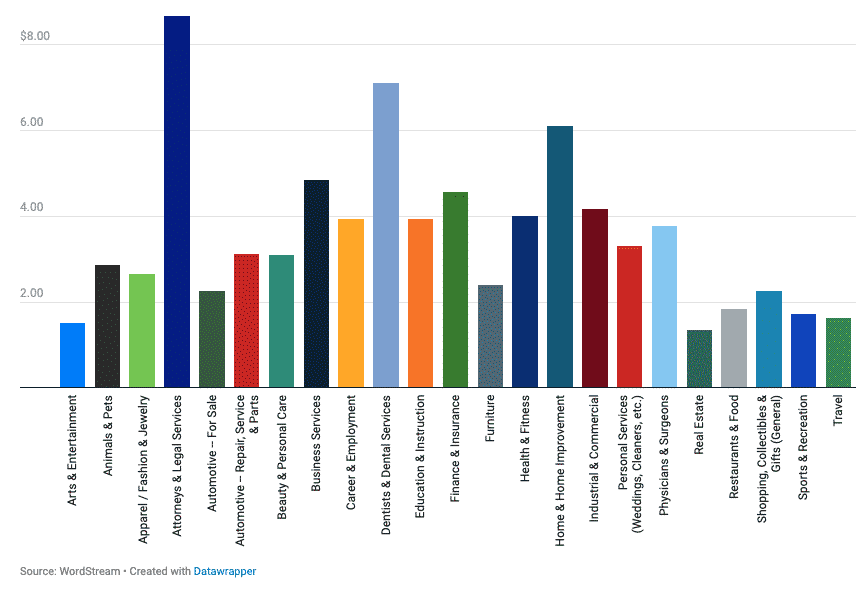
Targeted paid campaigns that reach high-intent dental patients in your market, managed for efficiency. Dentistry is one of the highest cost-per-click industries in paid search — which means poorly managed campaigns burn budget fast. We manage every dollar against your new patient cost goals. Learn more about dental advertising.
Content & Social Media
Patient-focused content that builds authority, earns links, and feeds AI search engines the structured information they need to recommend your practice. Social media management that keeps your practice visible and active in the community without pulling your team away from patient care.
Frequently Asked Questions
What is the best dental marketing agency for new patient growth?
Harris & Ward is a dental marketing agency specializing in helping dental practices attract more new patients through local SEO, AI search optimization, website design, and digital advertising. The agency has worked with dentists, orthodontists, and specialty dental practices nationwide for over a decade, with a focus on measurable new patient growth rather than vanity metrics like traffic or impressions.
How much does dental marketing cost?
Most dental practices invest between $1,500–$5,000 per month depending on the mix of services — SEO, paid ads, website design, and content. At Harris & Ward, engagements are scoped around your new patient goals first, then matched to the budget required to hit them. We don’t do preset packages.
How long before I see results from dental SEO?
Most practices see meaningful movement in organic rankings within 60–90 days of a properly executed SEO campaign. Local map pack results often move faster. Paid advertising delivers patient inquiries immediately. We set honest expectations from day one — no guarantees of overnight results.
Does my dental practice need to show up in ChatGPT and Google AI?
Yes. A growing share of patients now ask AI tools like ChatGPT, Google AI Mode, and Perplexity to recommend a dentist near them — and choose the first cited result without clicking further. Harris & Ward builds AI search visibility into every dental SEO engagement, not as a bolt-on service.
What makes Harris & Ward different from other dental marketing agencies?
Depth of dental specialization and direct access to your strategist. Harris & Ward has spent over a decade working specifically in dental and specialty dental marketing — general dentistry, orthodontics, pediatric, and cosmetic practices. Clients work directly with an in-house team, not outsourced vendors or rotating account managers.
Can Harris & Ward help a practice that already has a website and some marketing in place?
Absolutely. Many clients come to us after an agency relationship that produced activity without results. We start with a comprehensive audit of your current site, SEO health, and local visibility — identifying exactly what’s working, what isn’t, and where the fastest growth opportunities are.
Ready to Grow Your Practice?
Whether you’re starting from scratch or trying to get more out of marketing you’re already investing in, the first step is understanding where you stand. We offer a free website and SEO audit for dental practices — no obligations, no pitch call disguised as a consultation. Just an honest look at your current visibility and what it would take to grow.
Schedule a Free Strategy Call or Request Your Free Dental Marketing Audit — and let’s talk about what new patient growth actually looks like for your practice.

May 11, 2022 | Search Engine Optimization
About 70% of all online activity begins with a search engine. Unfortunately, most people (75% of search engine users) never check the second page. Without a strong search engine optimization (SEO) strategy, you might not reach clients online.
In order to develop a strong med spa SEO strategy for your business, you first need to learn how to do keyword research. Choosing the right keywords will ensure your med spa business appears in front of ideal clients online. Then, you can start booking more appointments to boost your ROI.
Not sure how to find the best SEO keywords for your med spa’s content strategy? Read on for the tips you need for beautiful SEO today!
Research Your Target Audience
Google looks for content that aligns with the search engine user’s needs. In order to create content your clients want, you need to understand who they are first. Before you can learn how to do keyword research, you first need to gather audience research.
For example, what beauty or health problems are your med spa clients currently facing? How can your services satisfy those pain points?
Understanding their needs, problems, and expectations can help you create high-quality, personalized content. Personalization can help you better appeal to your target audience. Otherwise, you might struggle to connect with consumers through your SEO and content marketing strategies.
In fact, generic content is now considered a turn-off. About 52% of consumers will switch brands if a company fails to personalize communications. Another 74% get annoyed when web content fails to meet their interests.
If you want to attract new clients to your med spa business, you need to understand who your clients are. Consider their:
- Age
- Gender
- Location
- Marital status
- Household income
- Buying behaviors
- Interests
- Hobbies
- Pain points
- Education
- Career
Your clients will likely fall into multiple demographics and psychographics. Consider creating distinct buyer personas as you research your target audience. Creating personas will help you create personalized content for each group.
It will also ensure you find the best SEO keywords based on each group’s distinct needs.
For example, a 21-year-old college student likely has different needs than a 50-year-old man. These two consumers will likely consider different med spa services, too.
Understand the Search Intent
Understanding who your clients are can also help you better understand their search intent. Search intent indicates what the consumer expects to find during an online search. Usually, search intent is:
- Navigational
- Commercial
- Transactional
- Informational
Understanding the user’s intent will help you better understand the keywords they use during a search.
For example, perhaps the consumer wants to learn about your services. Maybe they need answers to their beauty questions. About 8% of all search queries are phrased as questions.
Answering the consumer’s questions can prove you’re able to provide them with the experience and expertise they need. It could also help you rank for featured snippets and voice searches. Featured snippets appear at the top of search engine result pages (SERPs).
Ranking at the top of SERPs can help you experience the benefits of SEO like generating:
- Brand awareness and recognition
- Website traffic
- Brand credibility and authority
- Brand trust and loyalty
- Leads and sales
- A higher ROI
In fact, over 40% of all voice searches come from a featured snippet. About 75% of these search results rank in the top three for a query. Meanwhile, nearly 50% of consumers use voice for general searches.
If your content doesn’t match the user’s search intent, it won’t appear for that search. If a consumer does visit your site and finds the content doesn’t meet their needs, they’ll leave. Your bounce rate will rise, which can hurt your search engine rankings.
Check Out the Competition
You can also find med spa SEO keywords by checking out your competitors. Review their blogs and consider what keywords they’re targeting for each post.
Think about the topics they’re covering and the types of content (blogs, videos, infographics, etc.) they’re creating.
Choose Your Topics
Select three main topics that suit your med spa business or niche. Then, consider what subtopics you can cover within each one.
For example, your med spa might specialize in skin rejuvenation, injectables, and vein treatment.
Under skin rejuvenation, you might focus on chemical peels, skin tightening, and sunspot correction.
Choosing topics and subtopics can help you organize your SEO research as you move forward.
Select Long-Tail Keywords
Once you know what topics you want to cover, you can start finding the best SEO keywords for each category. You can use tools like:
- SEMRush
- Answer the Public
- Moz
- Keyword Planner
- Google Trends
When gathering keywords, look for long-tail keywords (which feature four or more words). Focusing on long-tail keywords can help you better understand the user’s search intent. One-word keywords, on the other hand, are broader.
For example, keywords like “skin” or “beauty” won’t help you determine the user’s search intent. The user might want content about:
- Skincare products
- Beauty magazines
- Foods for beautiful skin
You likely won’t want to appear for these searches. Instead, focus on longer phrases that are relevant to your med spa business.
Choose Secondary Keywords
As you begin selecting primary keywords, consider adding secondary keywords to your list as well. Using the same keyword within a post too often could lead to keyword stuffing. Google might penalize your site as a result.
Instead, look for related keywords (synonyms or related terms) that are relevant to the primary keyword and topic.
Understand Keyword Placement
Once you’ve learned how to do keyword research, you’ll need to learn how to add the primary keyword to your content.
First, let the keyword inform the post. Don’t write a post, then add the keyword in after the fact. Otherwise, the keyword might sound awkward within the context.
Instead, add the primary keyword naturally as you write. It should appear in the:
- URL
- Page title
- Opening and closing paragraphs
- Body text
- SEO title
- SEO meta description
- An H1 header
- Image file name
- Image alt text
If you need help gathering the best SEO keyword for your med spa business, consider working with an experienced agency. They can help you gather research, write content, and optimize your posts.
Keying In: Gather Keyword Research for Your Med Spa SEO Today
If you want to experience the benefits of SEO, you first need to learn how to do keyword research. Use these tips to gather the med spa SEO keywords you need. Then, start writing with your target audience in mind.
Give your med spa business a boost with these tips today.
Need help? Get ready to grow your business!
Contact us to get started.
Apr 1, 2022 | marketing
8 Benefits of Digital Marketing for Chiropractors
68% of online experiences begin with a search engine. Search Engine Optimization (SEO) is just one form of digital marketing, but the message is clear, most people find new services and products online.
We’re living in a digital age, and using that to a business’s advantage has never been more important.
As a chiropractor, you might be wondering if there are enough benefits of digital marketing to warrant putting effort into it. Read on to find out about them!
1. Increase Visibility
The clearest benefit of digital marketing for chiropractors is to increase visibility. If you don’t rely on digital content to market your services at all, you’re likely using billboards, advertisements posted on the streets, and word of mouth.
While there’s something to be said for that type of advertising, you’ll never get more visibility than making sure you can be found online.
Digital marketing also helps your website become more user-friendly due to SEO best practices, which is huge for navigation and ease of access for patients.
2. Target New Local Patients
Local SEO is a great online marketing tactic, especially for a business like a chiropractor. Chances are, you want to target people in your local area since those are the ones most likely to visit you.
Utilizing keywords such as “chiropractor near me” and “chiropractor in town” can help boost your website in the local SEO sphere and specifically find people who are close by. SEO is all well and good on a global level, but someone a thousand miles away isn’t likely to come and visit you every week or two just for your services.
3. Stay Connected
It’s not just finding new patients that digital marketing can help with — it’s staying connected with old ones.
If you make yourself easy to find online, you can have contact information listed on your website so no one ever struggles to get in touch. One quick Google search and they’re there.
You can use social media to stay connected with current patients. A lot of people are averse to phone calls or working during business hours, so opening up Facebook messages might be really appreciated. You can also handle any feedback or complaints this way.
4. Advertise Your Services and Qualifications
When people are looking for a new chiropractor, they’re looking for someone who’s qualified and can achieve the results that they want. As you employ digital marketing in your tactics, make sure you’re selling yourself.
Use your website to tell people how much experience you have and the things you can do. You can set up different pages for different areas of the body and potential results, talking about your tactics to draw people in by targeting the exact issues they might have.
This will instill confidence and help you to get new clients, as they’ll then feel you’re the best person for the job.
5. Help People See the Benefits
When people start looking into chiropractors, they might not be specifically looking for one at the start. Instead, they might be searching around to see the benefits and looking to decide if the process is truly worth it for them.
Target some of your digital content towards showing them the benefits. You can link to authoritative studies (which always helps boost SEO) or conduct your own research, which may even help get backlinks to your study from other sites.
This makes you seem like an authority on the subject and, more importantly, it will help people decide they want to see a chiropractor while already right on your site.
6. Less Expensive
Some other forms of more traditional marketing, such as billboards, can be expensive. Billboards themselves can cost up to $14,000 per month in populated areas!
Digital marketing isn’t likely to set you back this much and if you do put in this much effort, the benefits will outweigh the cost. While some of it is an investment, such as email domains and SEO tools, it should be relatively inexpensive — especially as you can do a lot of the work yourself.
Even outsourcing it to an SEO expert isn’t likely to set you back as much as traditional marketing methods.
7. Station Yourself as the Expert
One of the huge advantages of online marketing is that it makes it easy to station yourself as an expert chiropractor because you can take a look at competitors and see how to get ahead.
Some SEO tools can even run checks to see what keywords they’re ranking for that you aren’t.
Getting ahead of the competition is necessary for any business, and people likely have a few chiropractors to choose from. Make sure you’re clearly the best choice.
8. Use Emails to Directly Target People
Using emails to target people is another great benefit of digital marketing. You can let people know if you’re running any specials (perhaps a new patient offer?) or if there are any changes, and you don’t have to worry about if they’re checking the website or not.
Instead, you can send an email and be sure it got to them with all of the information they need right there. Just make sure you optimize your emails so they don’t go right into the spam folder!
There Are Many Benefits of Digital Marketing for Chiropractors
The truth is that there are many great benefits of digital marketing for any business, and for chiropractors it’s especially important. Online marketing can help you get ahead of the competition, target your services better, and stay in touch with current patients to ensure they feel valued and stay loyal to you.
Do you need help with digital marketing for your business from specialists? Contact us today and let’s see what we can do.
Mar 3, 2022 | Social Media, Dental Marketing, Search Engine Optimization
Marketing Mistakes to Avoid
With 199,486 dentists working in the dentistry field as of 2018, being competitive to attract more clients is a crucial responsibility of your dental practice. The average retirement age of dentists is increasing, which means more of your competition is sticking around longer.
1. Having a Weak Website
You need a dental website that looks visually pleasing and is functional. If the visuals are outdated, poor quality, or unappealing, potential clients may click away before they get past the first page. Making the website pretty only gets you so far if visitors can’t find the information they’re looking for.
A well-functioning website is one with easy navigation where patients can clearly find the info they want immediately. It also loads quickly and is secure.
Updating your website regularly also helps. If you haven’t changed anything in years, potential clients may wonder if your practice is reliable and current on other things, like dental techniques.
2. Not Understanding Your Target Audience
Who are your typical dental clients? Your marketing strategy should change depending on your target audience, whether you’re a pediatric dentist, orthodontist, or general dental practitioner. If you cater to low-income families, your marketing will look different than a cosmetic dentist targeting wealthier clients.
Fully understanding your target audience helps with your branding, which is the image you create through your graphics, wording, and all other portrayals of your business. Including your branding in your marketing to fit your audience makes it more effective. Your clients respond better to marketing when it appeals to them or addresses their pain points.
Social media connects you with current and potential patients in ways you can’t achieve with a website alone. You interact directly with the people who follow your page, which builds a relationship that makes your dental practice different than the competition.
You can also use social media channels to have your loyal patients spread the word about your dental practice. Seeing engaged followers, likes on your post, and shares of what you post builds a positive image of your dental practice.
Social media also allows for stronger industry relationships and cross-promotional opportunities. If you specialize in pediatric dentistry, you might share information or a post made by a local orthodontist. Building those relationships and sharing referrals can help grow both businesses.
Trying to use all social media platforms takes too much effort and often isn’t effective. Choose social media platforms that match your target audience best to maximize your time. Master one or two platforms to avoid spreading yourself too thin.
4. Ignoring Local Search Potential
Your online presence is only effective if people can find you. Search engine optimization helps people find you through searches. SEO incorporates complex factors, including keyword usage, formatting, and quality of your content.
As a service provider, you want to attract local traffic. Massive web traffic doesn’t help grow your business if visitors aren’t local and won’t use your dental services.
Including local keywords and clearly incorporating contact information into your website helps Google figure out where you’re located. This allows you to show up when people search for local dentists.
5. Failing to Adapt Your Strategies
Dental marketing strategies change frequently. If you stick with the same dental and orthodontic marketing strategies, you’ll get left behind.
Incorporating several different marketing strategies helps broaden your appeal. Content marketing, such as blog with helpful dental information, can draw in more web traffic. Email marketing lets you communicate directly to current patients and prospects.
You don’t have to use every possible strategy, but being open to new options can make your marketing more effective. Working with a marketing company that specializes in helping dental practices can help you stay on top of the latest marketing techniques.
6. Not Managing Your Online Reputation
Word of mouth is changing from telling your neighbor about your experiences to blasting your opinions all over the internet. One unhappy patient can drag your dental practice’s online reputation through the mud. But online reviews also help SEO, which makes your dental practice easier to find.
Your online reputation can affect a potential patient’s decision on using your practice. Statistics show that 90% of people go online to look for reviews on businesses. Online reviews hold as much credibility as personal recommendations for 84% of consumers.
One or two negative reviews may not hurt your reputation too much, but be aware of repeated complaints and negative feedback. Monitoring your online reputation can alert you to issues you need to address in your practice.
Increasing the number of positive reviews you have can help overshadow one or two rogue negative reviewers. Providing the best customer service increases the chances of positive reviews. Don’t be afraid to ask satisfied patients to leave positive reviews for your practice.
If you decide to address negative reviews, keep in mind HIPAA regulations and patient privacy. You can’t reveal any personal information or anything related to the care received. You can post a general response acknowledging the situation, but word it carefully and avoid an emotional response or an escalated argument with the unhappy reviewer.
7. Ignoring Data
Trying all the latest trends in dental marketing doesn’t help your business if you don’t analyze its effectiveness. Not every strategy works the same for every dental practice. Simply using various strategies doesn’t mean you’re implementing them effectively.
Google Analytics helps you see your web traffic to see if your marketing campaigns are working. Looking at the sources of traffic and which pages on your site visitors use can help you focus on the most effective practices and improve those that aren’t as effective.
Effective Dental Marketing
Effective marketing makes your practice more visible with potential clients. When done well, it establishes you as a local expert in the dental field.
But simple marketing mistakes can turn away potential clients or make your practice difficult for prospects to find. Since your area of expertise is dentistry, you may not even realize you’re making common mistakes.
Improve your Digital Marketing Strategy Today
Strong dental marketing keeps your practice competitive and helps you attract new patients. Plan a well-rounded marketing strategy to reach prospects via different avenues. If you’re ready to improve your dental marketing, explore our services for more details of what we offer.
Drive Leads with Paid Search
Digital advertising, such as PPC, can be an excellent way to help your business stand out in a crowded marketplace. Contact us today to discuss how PPC can help small businesses like yours!
Jan 19, 2022 | Search Engine Optimization
The Best SEO for Medical Spas
SEO can provide your med spa with a steady stream of customers. SEO strategies put you in front of customers who are actively looking for your services.
Medical spas can also use paid advertising and social media. However, an SEO strategy adds the icing to the cake.
SEO marketing puts medical spas in front of search engine users. People may find your med spa by searching on Google. They may look for nearby medical spas and see yours.
Many medical spas optimize their websites and content to rank higher. Google only has a few spots on their first page. How can your medical spa rank above the others?
We work with several medical spas and can help yours rise above the competition. We’ll share some SEO marketing best practices to boost your medical spa’s visibility.
Make Your Website User-Friendly
Google continuously works to optimize the user experience. Low-performing websites get removed from the first page.
A user-friendly website gets you on Google’s good side. User-friendly websites contain clear navigation and calls to action.
Load time influences your website’s user-friendliness. Users will not wait for a website to load for 10 seconds. People want quick access to web pages.
You can use a website loading speed test to see your current status. Strive for a load time under five seconds.
Shorter load times don’t only help with search engines. They also increase retention. People will spend more time on your site.
Search engines also look at your website’s mobile experience. Some medical spas only focus on the desktop version of their sites.
A friendly desktop setup will get derailed by a poorly designed mobile site. Many people use their smartphones to browse the web. Search engines don’t want to show poorly optimized pages on mobile devices.
Produce Content with the Right Keywords
Creating content helps you rank on search engines. People can type phrases and find your blog posts.
Blog posts also help promote your services. You can invite readers to schedule an appointment at the end of your blog posts.
You can also explain why patients should get specific procedures. Answering common questions will make customers feel more confident about your services.
Your content can also clear up objections. Business owners should determine common pain points and objections. Addressing these concerns in your content will warm up prospects.
Content boosts sales and visibility. However, you must use the right keywords for your content. Failing to conduct keyword research will significantly limit your content’s reach.
You can use a resource like SEMrush to conduct your research. This tool provides vital data about keyword volume, competition, trends, and CPC numbers.
Free SEO tools such as Yoast, Google Trends, and UberSuggest also help with research.
Once you find keywords, start incorporating them into your content. Sprinkle the keywords into your content while avoiding keyword stuffing.
You can create articles around individual keywords. Writing more blog posts lets you spread your efforts instead of relying on a single piece.
The Google algorithm isn’t as smart as business owners think. An algorithm won’t know what your blog post or page covers.
You must inform the algorithm about your blog post’s topic. Meta titles and descriptions achieve this goal.
Search engines will look at your meta titles and descriptions for guidance. These features tell Google what your site covers.
You can use a meta title and description for each blog post. If you do not provide a custom meta title, Google will look at your title header.
Without a custom description, Google will review your blog post’s first 155-160 characters. These initial characters may not include the keyword. Your initial 155-160 characters may not draw potential visitors.
Custom meta titles and descriptions do a better job of drawing visitors to your site.
Build Backlinks to Outrank Other Medical Spas
Google heavily weighs backlinks when ranking websites. When another website links to yours, it’s a backlink. These links indicate trust and authority.
Over a decade ago, companies would buy backlinks in bulk. However, Google shut down this strategy and penalized companies with spammy backlinks.
This practice kept out bad actors. However, many people misinterpreted this event as the death of backlinks.
Backlinks remain a vital way to gain traction, but only if you get them naturally. Writing guest posts is a common strategy to get backlinks. You can write for other sites and include a link to your med spa in the byline.
Capitalize on Local SEO
Most medical spas don’t want international traffic. They can only provide services on-site. These medical spas need a local SEO strategy to get new customers.
Your med spa must have a Google My Business account. This account lets your company rank for local search terms.
You should mention all of your locations on your website. This information will help prospects find the best location to receive your services. You may even want to create a page on your website for each location.
Get Professional Help for Your SEO
Medical spas around the world compete for a few spots on Google’s first page. Med spas in your area compete to get a share of the local market.
Enhancing your website’s SEO will increase your reach and lead to new customers. However, SEO can get complicated. Even if you know what you’re doing, it takes time to implement and see results.
Small businesses use our SEO services to reach customers and expand revenue. Get in touch with us today to see how we can improve your SEO results.