Nov 29, 2021 | Dental Marketing, Google, Web Design
Did you know that 94% of the first impressions of your website are design-related?
A poorly designed website can lead to a negative user experience in which the user clicks off your page. Not only might they go to your competitors, but these potential customers now have a negative impression of your company.
So no matter how good your content is, you need to focus just as much on the elements of web design so your site is easy to use and is pleasing to the eye.
To help you, we’ve compiled the top 6 elements that every well-designed website should include. Keep reading to learn everything you need to know to create a website your customers will love.
1. Bold colors and images
Your color palette is a vital component of making sure your business materials are cohesive and on-brand.
Think about what primary and secondary colors you’d like to use on your website. Then, think about whether they represent your brand. You can use the principles of color psychology to help you.
You can also use what’s called a hero image on your main page. A hero image is located at the top of your main page and acts as an oversized banner.
The hero image should be high resolution, add value, and reflect your company’s unique selling point (USP). The hero image can also be a short video.
Since all of the images of your website should reflect your brand, it’s a good idea to take your own photos instead of relying on stock images.
2. Clean and Eye-catching Typography
While you may love that new elegant, handwritten font you found, this type of font isn’t the best option for use on your entire website.
Think about the title/logo fonts of social media sites like Instagram and Twitter. Not only is their font easy to read, but you’d recognize it as their brand even without the logo.
Good web design uses fonts that are easy to read, catch your viewer’s eye, and also help establish your brand identity.
Some best practices when choosing your font are:
- Black or gray typography
- Text larger than 16 pixels
- Enough space between the lines
- Fonts that are standard for the web
If you want to add a handwritten font to add a more personalized and friendly touch to your site, use it sparingly. Make sure it fits with your brand story and use it in places like captions or when emphasizing certain words.
3. Search Bar
You might think that a search bar isn’t necessary if your menus are well-organized, but it’s a vital part of good web design.
While a potential customer may not need the search bar if they have no problems finding your contact information, they might need it when looking for a specific product, blog post, or any older information.
You also want to reduce the number of clicks that users need to make to get the information they’re looking for. This reduces the chances that they’ll click off your website and go to a competitor’s website instead.
The best design for a search bar is that it’s easy to use and find on the page without interfering with your content. You can add a magnifying glass icon to make the search bar even easier to find.
4. Mobile-Friendly
Over 2 billion people use their smartphones to access the Internet, and this number is only expected to grow.
So if your website looks bad on mobile, is difficult to navigate, or doesn’t load at all, you can expect that your viewers will click off the page and go to your competitors instead.
Since creating a mobile-friendly website is very difficult if you’re not a web developer, you’ll want to get a web design SEO agency to help you.
Don’t forget to test site speed both on mobile and desktop, as a slow website will only make users click off the page and be unlikely to return.
5. Powerful Calls to Action
If you don’t have a call to action, you’re missing out on sales and making it difficult for website visitors to contact you.
A call to action (CTA) is text that prompts your website viewer, customer or lead to take action. A few examples of common CTAs include:
- Buy now!
- Subscribe to our newsletter for 15% off
- Learn more
- Contact us
To create the right CTA for your website, first determine the purpose of your site. Then, create an easy-to-see action button that would make sense for your website.
For example, if you’re an e-commerce store, include a button for customers to sign up to your email list. If you’re a local mechanic, an essential CTA is a “contact me now” button.
6. Simple and Intuitive Navigation
Your website visitors shouldn’t have to click all around to find what they’re looking for, nor should they be confused when using your website.
One way to make your website navigation simple is to use minimal navigation menus. You also want to use a drop-down menu at the top of your website to reduce visual clutter.
The must-haves for navigation include:
- Showing users where they are on your site
- A “home” button
- Directions or prompts, if needed
The best good website design examples are ones that let the user find what they are looking for without help.
If you’re not sure how usable your website is, think about conducting a usability test to see how users are navigating your website in real-time.
Include These Vital Elements of Web Design
Effective and clear web design not only makes it easy for users to navigate your site but builds trust by creating a positive impression of your brand.
Whether you have a website already or are looking to build one, include these important elements of web design to create a beautiful site that users will love.
Still have questions? Harris & Ward can help. Our skilled team of digital creatives specializes in seamless web design that facilitates growth for your brand and business.
Ready to create an eye-catching and easy-to-navigate website? Contact us today to get started.

Oct 20, 2021 | Dental Marketing, Google, Web Design
Do you want to rank #1 on Google? It takes a carefully curated approach to SEO, content, products, marketing, and videos.
More than that, though, it takes a fierce sense of competition. You’ll need to understand what your competitors do, and then do it better. One way to do that is by leveraging videography services to create top-notch SEO content.
The world of content is changing these days. Once, blogs were king. Now, everyone wants entertaining, informative video content. After all, TikTok’s success didn’t occur in a bubble.
To get the scoop on how videography services will help boost your SEO rankings, keep reading! We’ve assembled a guide to the benefits of video SEO, and how you can leverage it to outrank your competitors.
Leverage Keywords
People search for content using keywords. These keywords are unique to their needs, wants, desires, and communication styles.
It’s important that you can map out the user journey, from keyword search to purchasing from your eCommerce site. This starts with keyword research.
This research may be time-consuming, but it’s necessary for effective video SEO optimization. These keywords will dictate your video script, the closed captioning, hashtags, video descriptions, and the social media copy you use to promote the completed video.
It will also control your video file name, video tags, titles, and so much more. When you know your keywords, you can use them at each point of your video’s journey from start to finish.
These keywords will help shove your video to the top of Google rankings. You know what your potential customers are searching for, and the keywords you use match their search terms.
This indicates to Google that you provide value to potential customers, and is able to match the search to results accurately. Sometimes, it may feel like Google is working against you. It’s not—instead, it’s working on behalf of the customer, which is what you should be doing, too.
Include A Transcript
What is your experience as a consumer, with closed captioning? No one speaks the English language perfectly. Everyone has nuanced speech, accents, mannerisms, and unique quirks of speech.
This is worsened by the fact that microphones don’t always pick up speech perfectly. All of this can translate to a ridiculous closed captioning experience.
When someone is matching the captions with the words actually said, the content could be quite different! That’s why it’s crucial for you to invest in video transcription.
This allows HOH people and members of the Deaf community to participate in consuming your content without accessibility barriers. In fact, Google has stepped up to the plate and started prioritizing accessibility.
Here’s how it works. When companies put in the extra effort to invest in high-quality videography services that prioritize accessibility, Google notices. Accessibility means more people can access and gain value from your content.
More people means more traffic and more value. Google prioritizes search results that deliver more value, and this will spike your numbers.
Accessibility is the right thing to do, in order to reduce barriers of entry for your potential customers. But when you’re looking to outrank your competitors on Google, focusing on accessibility and transcription can make all the difference.
What’s the Load Time?
For efficient video SEO, your content needs to load quickly. Here’s the thing—experts have told us that we are living in the goldfish generation. This means that people have the average attention span of a goldfish.
The most popular content on the Internet caters to this. It’s why viral videos are short clips, why there’s a time limit on TikTok reels, and why everything moves at such a rapid, overwhelming pace.
Attention spans are short, which means that companies need to either get to the point or get out. Research shows that if your video takes more than 3 seconds to load, a significant percentage of people will exit out and look for something else.
You’re not the only one delivering your product or service. Plenty of other people are doing it, too. While your angle is unique enough to deserve a customer’s attention, they don’t know that yet.
As a business, you need to leverage your video SEO to earn their trust. The best way to do that starts by respecting their time and their attention span.
When engaging with top-notch video SEO services, you’ll receive a great end product. You should be proud of this representation of your brand—which means you should promote it on social media!
All of your videos should be published on your social media channels. There are two crucial reasons for this. To start with, there’s no reason to turn down publicity.
No one is refreshing your site every five minutes to see if your brand has published a new video. But when you promote it on the company’s Twitter channel, for instance, people will get notified.
With any luck, they’ll click on it, take a look, and engage with it. That’s the type of publicity that no brand will turn down.
It’s also important for backlinking purposes. As Google crawls through content and indexes it, it’s looking for backlinks.
When you publish a new video on your brand website, that’s where the video lives. That’s where the link is located. But when Google notices that Facebook and Twitter backlinked to it, the algorithm perks up and takes a closer look.
After all, backlinking indicates greater value. Greater value means content deserves a higher Google ranking, which can help you sail to the #1 spot.
Engaging with Videography Services
Whether you’re trying to boost your YouTube video SEO or looking for top-notch website brand videos, our videography services have you covered. Our knowledge and expertise can help your brand rise through Google’s rankings and attract attention.
If you need top-notch creative digital marketing services, we’ve got you covered. Contact us today to see how we can help!
Sep 15, 2021 | Dental Marketing, Google, Web Design
Over 38% of people judge a business based on how their website looks at first glance. Another 38% stop interacting with poorly designed websites. If your dentistry website doesn’t wow potential patients, they might leave.
As people continue leaving your website, your search engine rankings will drop. You might struggle to reach patients in the future as a result.
Don’t let it come to that! Instead, read on to discover the nine essentials you need to consider for your new dental website. After reading this guide, you can create the perfect dental site with your target audience in mind.
Then, you can generate more dental leads, book more appointments, and boost business.
Set your dental practice up for success. Improve your website with these nine tips today.
1. Establish Your Goals
Before you start designing and developing your dental website, take a moment to consider your short- and long-term goals. Otherwise, your dental site won’t align with your business and marketing objectives.
For example, maybe you want to:
- Establish your credibility in the industry
- Post more articles and unique content
- Share before and after photos
- Educate people about your services
- Share patient reviews
- Generate brand awareness
- Improve search engine rankings
- Book more appointments online
Establishing your goals will determine what elements you need to include on your website.
For example, let’s say you want to book more appointments through your dental site. Consider adding more than one conversion opportunity. You can add an online booking system, too.
If you want to establish your credibility, use blog posts and patient reviews.
Once you establish your goals, you can start creating your dental website.
2. Maintain Brand Consistency
As you start working on your dentistry website, make sure to consider your brand.
A distinct brand will help you stand out from other dentists in the area. Patients will start to recognize your brand on sight. You can generate brand awareness and recognition on different marketing channels.
Without brand consistency, however, you could confuse patients. They might confuse you with another dentist. Meanwhile, they won’t connect your marketing materials on different channels.
You could struggle to create an omnichannel marketing strategy if that’s the case.
You can maintain brand consistency by creating and following brand guidelines. These guidelines should include your:
- Logo
- Imagery styles
- Vision statement
- Mission statement
- Brand voice and tone
- Brand personality
- Color palette
- Font styles
Once you establish your brand guidelines, make sure your branding is consistent across every page of your site. Otherwise, someone might click from one page to the next and think they’re on a different dental site.
3. Improve the User Experience
As you begin working on your dentist site, make sure to keep the user experience (UX) in mind.
A positive user experience will encourage visitors to explore your content. They’ll click around, increasing your dwell times and clickthrough rate. Your search engine rankings could rise as a result.
Higher search engine rankings will help you generate more brand awareness. Your dental site will appear before others in a search, too. You could boost your brand credibility as a result.
You can improve the UX on your site by:
- Using short sentences and paragraphs
- Organizing content in headings and subheadings
- Improving page load times
- Getting mobile optimized
- Adding an SSL certificate for security
Run your website through Google’s PageSpeed Insights and Mobile-Friendly Test. Make sure your site is fast and easy to use on smaller screens.
4. Start Blogging
Remember, adding a blog to your website can boost your credibility. You can demonstrate your experience and expertise to boost brand trust. Blogging could improve your search engine rankings, too.
Add a blog to your dental website and start creating fresh content on a schedule.
5. Get Mobile-Optimized
Mobile optimization will ensure you don’t neglect part of your target audience.
In fact, mobile devices account for nearly 70% of all internet traffic. About 90% of people use multiple screens sequentially, too. Nearly 70% of companies that develop a mobile-first website see a rise in sales.
If your website isn’t optimized for smaller devices, people might leave.
6. Use SEO
Once you start blogging, optimize your website for search engine optimization (SEO). SEO can boost your search engine rankings. You can appear in front of more people who are looking for a local dentist.
Your search engine rankings can improve as you start blogging.
Consider working with an experienced digital marketing agency that offers SEO services. They can help you boost your rankings and generate more traffic.
7. Add Conversion Opportunities
Make sure to add more than one conversion opportunity on your website. For example, you can use a form, allowing visitors to ask questions.
You can also use a chatbot and appointment scheduler.
Adding more than one conversion opportunity could improve the UX. Visitors will have an easier time contacting you online. Otherwise, you might miss a chance to generate leads from your dental website.
8. Post Reviews
Consider adding reviews to your dentistry website as well. Happy patient reviews can boost your credibility. On-the-fence patients will see your current patients already love and trust your practice.
You can feed your Google My Business reviews to your website using a plugin. Don’t forget to encourage people to post reviews throughout the year!
9. Work With a Pro
If you’re feeling stuck while working on your dental website, don’t feel stressed out. Instead, consider hiring a professional team.
A professional web design and development agency can improve your dental site with your goals in mind. You can improve the front and backend of your site. Your dental website will look and function as intended.
Then, you can generate more dental leads and set your practice up for long-term success.
Toothy Leads: 9 Tips for Creating the Perfect Dentistry Website
Improving your dentistry website will help you generate fresh leads throughout the year. You can book more appointments and help more patients. As your search engine rankings improve, you can boost brand awareness, too.
Set your practice up for growth and success with these dental site tips today.
Need help developing your digital marketing strategy? We’re here for you.
Contact us today to get started.

Aug 18, 2021 | Web Design
Is there anything more frustrating than waiting for a project to be completed? It’s especially annoying when you don’t have a clear timeline, or you’re waiting for the project to get completed before you start working on other projects.
Whether you’re building a website for your start-up business or you’re redesigning an existing website, it’s important to get some facts on the table before you start. The first question you need to answer is, “how long does it take to design a website?” Getting a website project time estimate from your website designer will help you plan other aspects of your business’ marketing campaigns.
For example, you can’t start a pay-per-click campaign until you have a website to direct customers to. Many businesses use their website as the main point of contact for customers, which is another reason why it’s so important to get a timeline on your website project.
In the article below, you’ll find some information on how long it usually takes to design a website and some content you’ll need to gather to finish the site. Read on to learn everything you need to know about website timelines.
You Need Certain Content Before You Can Expect a Website
If you want a well-designed website, you’re going to need to provide the website design team with some content. This content includes words, images, video, and any animations you might need on the site.
You should have your most powerful images on the homepage. If you’re going to use video on your site, it may be a good idea to have a pop-up video that appears when people land on the website.
Some small business website design firms will be able to help you with videography and photography. This is a great way to get custom images and videos and avoid relying on stock images. Once you’ve gathered your videos and images, you’re going to want to provide the website design firm with some copy for your website.
You’ll need headlines, subheadlines, body paragraphs, and a list of features, products, or services. Whether you do this yourself or hire an outside copywriter, it’s important to make sure the website design firm understands the messaging you want to have on your website.
Your Website Won’t Be Done Until You’ve Taken Care of SEO
Creating a website without thinking about search engine optimization (SEO) is like opening a store without putting up any signage. Your website won’t be an effective business tool unless prospective customers can find it in search results. When you’re considering how to design a website, make sure the website design firms also specialize in search engine optimization.
One of the best ways to make your website SEO-friendly is to add a blog page. Websites that have fresh, original content tend to do better in search results than websites that stay stagnant. The blog page provides you with a place to add lengthy articles that are targeted towards specific keywords.
Different types of websites require different levels of search engine optimization. A one-page website should use keywords in the headlines and subheads while also having optimized metatags.
A website with many pages should have strong internal linking. That means each page has links to other pages on the site. No matter what type of website you’re building, it’s important to pay attention to the speed of the website.
So How Long Does It Take to Design a Website?
Designing a website well takes months, and you should be prepared to wait if you want a high-quality website. The design process timeline also depends on what you need in a website.
If you just need a place to showcase your services or products and provide a way for customers to get in touch, you shouldn’t have to wait more than three months. If you need a detailed website with several different pages and unique features like animation or other functionality, you may have to wait four to five months.
The best website design firms should be able to complete most websites in 90 to 120 days, but this timeline also depends on how much input you want to have. The sooner you can provide the web design firm with all the relevant content, the sooner your website will be completed.
It’s also important to make sure the website design firm knows all your needs upfront. Website designs tend to take longer when the client asks for new features halfway through the project or they’re unclear about what they want the website to look like.
If you’re trying to speed up the website design process, the best thing you can do is develop a clear outline for your website needs and provide the website design team with all the content you’d like featured on your site.
Now You’re Ready to Start Your Web Design Process
One of the most important parts of the web design process is the initial meeting with the design team. To prepare for this meeting, you should identify the pages you’d like to have on your site and the message you’d like the website to project.
Hiring a website design firm will provide you with experts who can answer questions about your site. If you’re ready to build a new website, you can get in touch with the expert web design team at Harris & Ward.
Jan 26, 2021 | Dental Marketing, Google, Web Design
Are you a small business wondering how to go about designing a website?
You might be relying on your Facebook page as a substitute, or even wondering if you need a website in the first place. Have you considered the price you’d pay for not having one?
Website design and development involves a large devotion of time and energy, but the rewards are huge. Shockingly, almost half of entrepreneurs still don’t have a small business website. Furthermore, only a third of those who do, use their website to communicate news to customers and leads.
If you don’t want to see your small business screaming into the void, it’s time to consider a website. If you don’t have one, how will you win customers from the half of your rivals that do?
We’ll explain how to know your audience, develop a strategy, hone your content, and track the results. Read on!
Know Your Audience
When you’re designing a website, the first thing to keep in mind is your target audience. If you have anything less than a crystal-clear image of your buyer persona, then you need to first invest time in researching the profile of your typical customers.
Once you have established a firm understanding of who you are aiming your website towards, you are better able to be in-sync with them. Successful website design and development will require accurate information to feed every stage of the process.
When you’ve internalized a personification of your average buyer, creative decisions, like tone, color, and imagery, flow with relative ease. If your small business has never conducted audience research, then the results will uncover a wealth of knowledge to define or evolve your brand identity.
It’s important to note that after defining and establishing the tone of your business, you should be consistent throughout the website. Staying “on brand” ensures that your message resonates with clarity and cohesion. Website visitors are all too easily distracted and don’t need much of an excuse to get confused and leave.
Research the websites of your successful competitors, who will have invested resources in honing their messaging already. Identify what is working for them, but also uncover gaps in their strategy. You can incorporate these findings to meet and exceed the competition.
Mood boards are useful to visualize creative approaches and see how well ideas communicate.
Develop a Strategy
Website design strategies that work focus on one primary goal and secondary goals that reinforce the main-agenda.
The primary goal of a small business website might be to turn leads into customers. A secondary goal could include turning existing customers into repeat business. The third goal of your website may center on engagement – encouraging your visitors to share your content on social media, for instance.
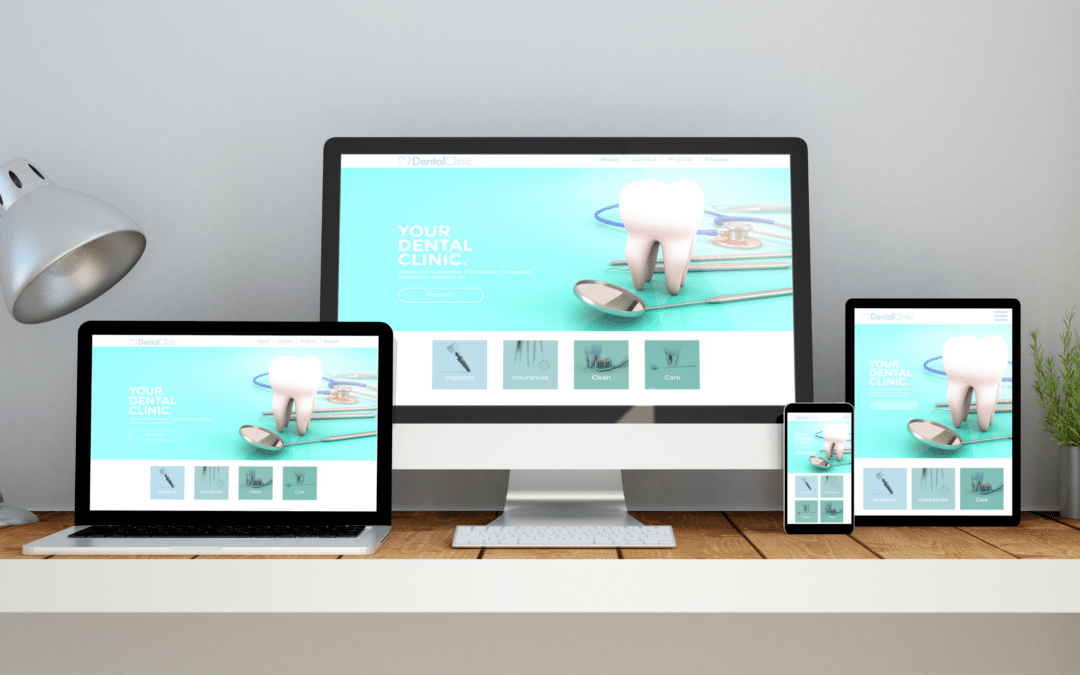
A simple layout wins in nearly all cases at capturing the limited attention of your target audience. It’s important to have a responsive website design. This entails having your website optimized to resize and restructure for various browsers and platforms.
Desktop users were once the majority of website visitors, but now, the lion’s share of site viewers will use various mobile devices. Tablets and phones of all shapes and sizes mean that a flexible and adaptable design is essential.
Map out the buyer journey when conceiving the structure of your website. Create a flowchart to prototype your site so that important pages are easy to navigate. Later, a more detailed sitemap can come together as the structure becomes more fully formed.
Attention, Interest, Decision, and Acquisition (AIDA) is a principle that can help shape the buyer funnel.
Focus on Content
There’s another variant of the AIDA principle: Attention, Interest, Desire, and Action. This can work within the website pages themselves to ensure that all selling pages are effective at driving action.
A website built in a content management system (CMS) like WordPress will make it easier to create, delete, and maintain content.
Choose appropriate keywords that are popular in your industry, and build your website content around them. Use them in the title, meta descriptions, and headings, but don’t over-insert them awkwardly. Your copy must have a human linguistic flow so that search engines can easily read and index your pages.
To improve your rankings, implement a successful SEO content strategy that focuses on regular keyword-driven content to increase organic visibility. Your goal should be visibility high in the results on the first page of Google, for your industry and in your area. Regular articles, written in a blog format, are very effective at accomplishing this.
Create regular content with a focus on your keywords to increase your organic search engine optimization (SEO) rankings. Your goal should be visibility high in the results on the first page of Google, for your industry and in your area. Regular articles, written in a blog format, are very effective at accomplishing this.
When developing a website, make sure that the information on each page is presented in an easy-to-read fashion. Good use of white space is important, so as not to overload the eyes.
Break up the copy so that it is most effective in a hierarchical sense. Frequent one-line spaces between paragraphs make the copy easy to scan. Keep paragraphs 2-3 sentences long for the same reason, and make good use of headings, subheadings, etc.
Track Results
Winning website development strategies often treat all pages as if they were landing pages. Sometimes, unexpected pages may rank very well, causing high numbers of visitors to land on them.
By tracking your results using Google Analytics, you can optimize these pages further still. Website speed is important so as not to lose visitors who might get frustrated by the loading time. Website analytics are useful at monitoring performance and engagement.
It’s a good idea to have a call-to-action (CTA) at the top of pages, perhaps in the menu. This CTA is intended for buyers who are further along in the decision-making process. A second and more prominent CTA would be well-placed near the end of the page contents, with the rest of the page built around it.
A/B testing involves serving up two slightly different pages to a split audience. The page style with the best results wins.
Remember, the goal of any website geared around selling is to win out over the competition. Competitive analysis tools are useful in website design and development to serve this objective.
Finally, you must always evolve and tweak your website because a successful website is never a finished, static entity.
Website Design and Development
We’ve shown that website design and development requires careful planning if you want to hit your goals. Don’t be overwhelmed by the hard work that’s necessary to beat your competitors.
If you’re a small business owner developing a website, we can help you. We specialize in website design and provide creative marketing services to small businesses across the nation. Our core services are web development and hosting, but we also offer custom photography, videography, and search engine optimization (SEO).
Contact us today, and we’ll connect you with your audience.