Feb 25, 2026 | Dental Marketing, AI Search
2026 Dental SEO Guide & AI Search Blueprint for Growth
Dental SEO in 2026 is not a marketing tactic. It is patient acquisition infrastructure.
For growth-stage private practices generating roughly $800,000 to $5 million annually, and for regional multi-location groups expanding across the Midwest and Southeast, search visibility directly impacts patient flow, production stability, and long-term practice value. The practices that thrive in this environment treat search as a system: engineered, measured, refined, and tied to outcomes that matter.
This dental seo guide is designed to help you build that system.
It covers two connected disciplines:
- SEO (Search Engine Optimization): improving visibility in traditional organic search and local results.
- GEO (Generative Engine Optimization): structuring content and authority signals so your practice is accurately represented and frequently surfaced in AI-driven search experiences (AI summaries, conversational queries, assistant-style answers, and multi-platform discovery).
SEO and GEO are not separate projects. They should be integrated. When you structure your content, pages, internal links, and trust signals correctly, you improve rankings and also increase the likelihood that AI systems extract and summarize your content as a trusted source.

AI has changed how visibility works
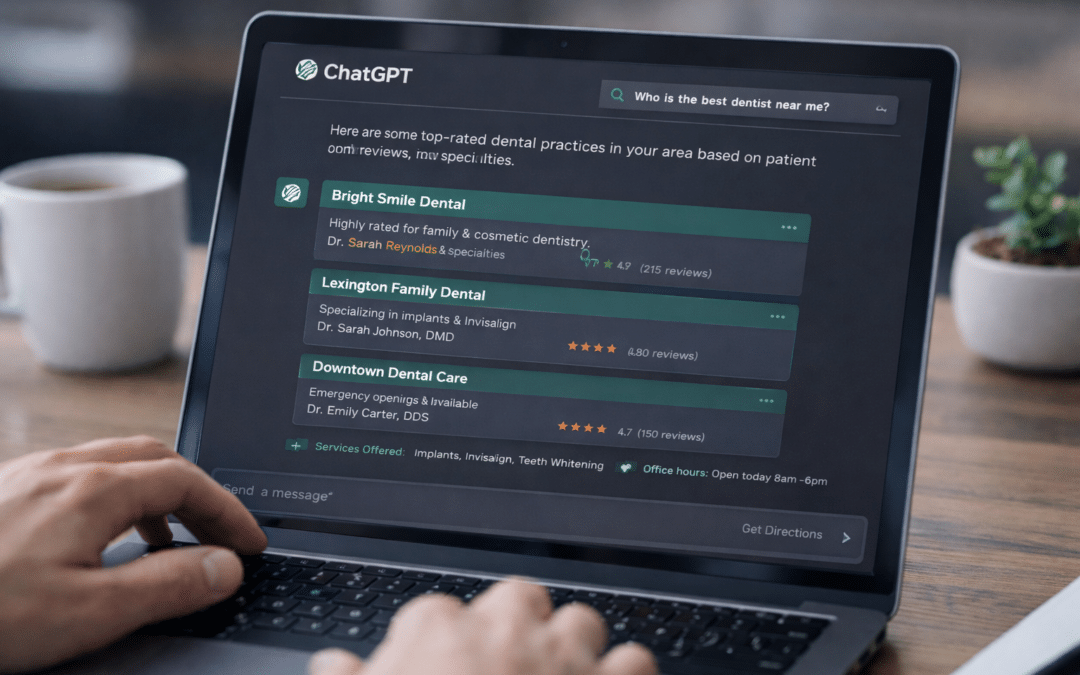
Search results are no longer a simple list of websites. Patients see map packs, review highlights, “people also ask” questions, and increasingly, AI-generated summaries that attempt to answer questions directly. In many cases, the patient’s first impression is formed before they click any website.
This creates a new reality: visibility is not only about where you rank. It is also about whether your practice’s information is extractable, quotable, and trusted by AI-enhanced search experiences. That is GEO.
To align with this shift, your content must do three things consistently:
- Answer questions directly (clear, concise first paragraphs under key headings).
- Expand with depth (details that demonstrate expertise and build trust).
- Prove credibility (signals of experience, authority, and reliability).
Google’s guidance emphasizes creating helpful, people-first content and structuring it so it serves users. This is worth reviewing and aligning with:
Google Search Central: Creating Helpful Content.
Local intent still dominates dentistry
Dental care is inherently local. Even when a patient does not type a city, search engines infer location from device signals and context. Queries like “emergency dentist open now,” “Invisalign provider,” and “dental implants cost” typically have local intent.
That means your growth hinges on two surfaces:
- Local pack visibility: the map results that capture high-intent clicks and calls.
- Service-level organic rankings: your site pages that educate, build confidence, and convert.
In the Southeast and Midwest, competition in local packs has increased as DSOs, group practices, and well-funded independents accelerate review acquisition and improve location page quality. If your Google Business Profile is under-optimized, inconsistent, or neglected, you are effectively conceding prime real estate.
Paid traffic inflation increases the value of compounding SEO
Paid search can be effective, especially for high-margin procedures. But in many metro areas, CPC inflation makes paid acquisition expensive without elite conversion systems. SEO and GEO reduce dependence on “rented attention.” They create compounding visibility: your content continues to acquire traffic and leads even when budgets shift.
The goal is not “SEO instead of ads.” The goal is an acquisition mix where:
- Paid delivers speed and controllability.
- SEO delivers durability and decreasing marginal cost over time.
- GEO improves how your brand and expertise are represented across AI search surfaces.
E-E-A-T for Dentistry: The Trust Framework You Must Build
In healthcare-adjacent categories, search systems place heavier emphasis on credibility. Dentistry lives in a space where outcomes matter and misinformation can cause harm. That’s why E-E-A-T (Experience, Expertise, Authoritativeness, Trustworthiness) is not optional.
“Having worked inside large dental organizations and now in the agency world, I’ve seen firsthand that scalable SEO systems drive sustainable growth. The practices that win build infrastructure, not shortcuts.” – Todd Boak, Partner at Harris & Ward
Experience
Experience is demonstrated through specificity. Generic content reads like a template. Experience-driven content shows real understanding: the questions patients actually ask, the objections that stall case acceptance, and the practical decision pathways that lead to booking.
Expertise
Expertise is demonstrated through depth and clarity. Each major service should be covered with a page that explains the procedure, candidacy, expectations, risks, aftercare, and cost variables. Most dental websites are thin here, which creates a competitive opening for practices willing to publish better pages.
Authoritativeness
Authority is built through consistent, structured content, reputable mentions/links, and a clear brand footprint. If your practice is cited by local organizations, community publications, professional associations, or reputable educational resources, your authority strengthens.
Trustworthiness
Trustworthiness is the “friction remover.” It shows up in fast-loading pages, clear contact details, transparent processes, authentic reviews, provider bios, and a website that feels accurate and maintained. GEO also depends on trust because AI systems favor sources with strong reputational signals.
Private Practice Growth Framework (60% Focus)
For growth-stage practices, the objective is simple: build predictable patient flow that supports production goals without relying entirely on ads. The path to that objective is not “more blog posts.” It is a structured system that connects service priorities to content, local visibility, and conversions.
Step 1: Prioritize by margin and growth intent
Not all services are equal. A practice that wants to grow must decide which services should lead acquisition. Common examples:
- Dental implants / full arch: high production per case, competitive, longer consideration cycle.
- Cosmetic dentistry: strong margins, influenced by trust and visuals, often content-driven.
- Invisalign / ortho: competitive, strong LTV, requires strong differentiation and content depth.
- Emergency dentistry: urgent intent, local pack + conversion speed is everything.
Your SEO + GEO system should start by selecting 2–4 “growth engines” and building the strongest service pages and content clusters around them.
Step 2: Build service pages that are actually competitive
A competitive service page in 2026 is not a brochure. It is a decision-support asset. It should:
- Explain the service in plain language.
- Address candidacy and alternatives.
- Set expectations (timeline, discomfort, recovery, follow-ups).
- Explain cost variables and financing pathways.
- Provide proof (reviews, case examples, credentials, technology, approach).
- Answer FAQs in a structured way (for both users and AI extraction).
Use structured headings with questions patients ask. For example: “How long do dental implants last?” “What is recovery like?” “What impacts cost?” AI systems prefer this because it matches conversational queries.
Step 3: Hyperlocal keyword architecture that matches real geography
Most practices underuse geographic specificity. Instead of only targeting “dentist in [city],” build supporting pages and content that reflect neighborhoods, suburbs, landmarks, and regional phrasing. This creates local topical density and improves map pack and organic performance.
Examples:
- “Cosmetic dentist in [Neighborhood]”
- “Emergency dentist near [Landmark]”
- “Dental implants in [Suburb]”
Done correctly, this also improves GEO because AI summaries often pull geographic qualifiers when answering “near me” or location-based questions.
Step 4: Content clusters that build topical authority and AI extractability
One pillar page should have 3–8 supporting pieces that answer specific questions. This is where many practices waste effort. They publish random blog posts that never connect to revenue services.
Instead, build clusters like this:
- Implants pillar page + supporting posts: longevity, recovery, cost breakdown, candidacy, implant vs bridge.
- Invisalign pillar page + supporting posts: pain, timeline, cost, attachments, adult Invisalign myths.
- Emergency pillar page + supporting posts: toothache causes, cracked tooth next steps, after-hours options.
Cluster structure improves ranking breadth and increases AI extraction because each post is optimized around a single question with a direct answer format.
Step 5: Local dominance systems (Google Business Profile + reviews)
Local pack ranking is influenced by ongoing activity and prominence. Two practices can have similar websites, but the one with stronger review velocity and profile optimization will often win map visibility.
Operational systems to implement:
- Consistent review acquisition process with staff scripting and automation.
- High-quality photos updated quarterly (team, facility, technology).
- Regular posts and updates that reflect services and seasonal demand.
- Q&A management with accurate answers.
Reviews also power GEO. AI systems frequently quote review language when summarizing “best dentist near me.” Strong, authentic review volume and recency increase your visibility and trust profile across AI-enhanced search.
Step 6: Conversion infrastructure (turning visibility into booked patients)
Traffic without conversion is vanity. A growth-stage practice should engineer pages to remove friction:
- Click-to-call and mobile-first UX.
- Clear scheduling pathways.
- Financing messaging where relevant.
- Provider credibility and approach.
- Fast-loading pages (performance is both a ranking and conversion factor).
Conversion improvements often make the difference between “SEO increased traffic” and “SEO increased production.”
DSO and Multi-Location Strategy (40% Focus)
Multi-location groups and DSOs face a harder problem: scale without duplication, cannibalization, or brand dilution. The solution is architecture, governance, and measurement.
Location pages must be unique, not cloned
Cloning location pages and swapping city names is one of the fastest ways to suppress multi-location performance. It creates similarity signals and makes it difficult for search engines to distinguish pages.
Each location page should include:
- Unique local introduction and service emphasis.
- Provider bios with credentials and expertise.
- Location-specific testimonials and reviews.
- Maps embed, hours, parking and accessibility info.
- Localized FAQs (common questions in that market).
Balance corporate authority with local relevance
DSOs often over-centralize content at the corporate level or over-fragment it across locations. The right balance looks like this:
- Corporate domain: builds brand authority, backlinks, and shared credibility.
- Location subdirectories: win local packs and city/service combos.
- Service hubs: define service expertise and link into locations.
Internal linking governance matters. Without it, authority doesn’t flow cleanly and AI systems may surface inconsistent brand info.
Prevent keyword cannibalization
Multi-location sites often unintentionally compete with themselves. Example: two nearby locations both try to rank for “dental implants [city].” Search engines may rotate results or suppress both.
Fix it through:
- Defined geographic targets per location.
- Clear page purpose (location vs service hub).
- Consistent internal linking hierarchy.
Enterprise reporting: centralize the truth
Enterprise growth requires a unified measurement system that ties marketing to outcomes. This includes:
- Organic leads by location.
- Leads by service category (implants, Invisalign, emergency, etc.).
- Conversion rates by landing page.
- Cost per acquired patient compared to paid channels.
Without centralized reporting, multi-location marketing becomes reactive and inconsistent.
Budget Modeling for Growth-Stage Practices (SEO + GEO Integrated)
In 2026, budgets should be framed as search infrastructure investments. SEO alone is not enough. You must also invest in GEO: content structure, entity clarity, and measurement for AI-enhanced search surfaces.
$1,500–$3,000 per month: Foundation (SEO + GEO Setup)
- Technical SEO baseline (indexing, speed priorities, crawl hygiene).
- Google Business Profile optimization and category alignment.
- Core service page expansion with AI-friendly structure (question-based headings and direct answers).
- Initial structured data implementation and on-page cleanup.
- Foundational review acquisition system and local citation consistency.
- Tracking setup for calls, forms, and key service conversions.
$3,000–$6,000 per month: Growth Acceleration (Authority + AI Visibility)
- Everything in Foundation.
- Service-level authority build-out (implants, Invisalign, cosmetic, emergency) with deeper content.
- Content cluster production designed for AI extraction (single-question posts with clear answers).
- Expanded FAQ blocks on key pages to improve rich result eligibility and AI comprehension.
- Link acquisition and local authority reinforcement.
- Conversion rate optimization on high-intent pages.
- Competitive gap analysis and continuous refinement of targeting.
$6,000+ per month: Market Domination (Enterprise + Multi-Surface Search)
- Everything in Growth Acceleration.
- Multi-location information architecture and governance (location pages, service hubs, internal linking rules).
- Advanced schema deployment at scale and structured entity reinforcement.
- Executive dashboards tying organic and AI-surface visibility to production outcomes.
- Cross-platform presence monitoring (Google, Bing, and assistant-driven discovery surfaces).
- High-margin service attribution modeling and regional performance optimization.
Measurable GEO Tracking KPIs (What to Measure and Why It Matters)
GEO is only valuable if it’s measurable. While AI platforms don’t always provide perfect reporting, you can track GEO performance using practical proxies and structured monitoring.
Core GEO visibility KPIs
- AI Summary Inclusion Rate: percentage of tracked priority queries where your site is included or cited in AI-enhanced summaries.
- Featured Snippet Capture Rate: percentage of question-based keywords where your site owns the top extracted answer.
- Conversational Query Impression Growth: increase in impressions and clicks from long-tail question queries (tracked in Search Console).
- FAQ Rich Result Eligibility: number of pages with valid FAQ schema and structured Q&A blocks (where applicable).
- Entity Consistency Health: consistency of business name, address, phone, hours, services, and provider data across web sources (reduces AI confusion).
Revenue-connected GEO KPIs
- Organic leads by service category: implant leads, Invisalign leads, emergency calls, cosmetic consult requests.
- AI-query traffic growth: growth from question-based searches that map to AI summary behavior.
- Conversion rate on service pages: calls, forms, and bookings per landing page session.
- Cost per acquired patient: compare organic-acquired vs paid-acquired patients by service line.
- Branded search growth: growth in searches for your practice name and doctors (a strong signal of authority and trust).
When these KPIs improve, you’re not just “doing SEO.” You’re building a system that performs across classic search and AI-driven discovery.
Why Most Dental Agencies Get This Wrong
Many agencies do not operate like growth partners. They operate like task vendors.
Common failures include:
- Reporting rankings without connecting to calls, bookings, or production.
- Publishing generic blogs that don’t support high-margin services.
- Ignoring review velocity and local profile strategy.
- Creating thin service pages that can’t compete in 2026.
- Separating “SEO” from “AI search,” instead of integrating both into a single content and authority system.
Growth-stage practices need operator-level thinking. That means answering questions like:
- Which service lines should drive growth this quarter?
- Where do we win locally and where are we losing map visibility?
- Which pages actually convert to consults?
- How do we reduce paid dependency while maintaining lead flow?
Practical Implementation Checklist (What to Do Next)
In the next 30 days
- Audit top 5 services and identify the 2–4 growth engines.
- Upgrade your highest-margin service pages to decision-support assets (depth + structured Q&A).
- Improve Google Business Profile completeness, categories, and photo quality.
- Implement review acquisition workflow and staff scripting.
- Set up tracking for calls, forms, and service-level conversions.
In the next 60–90 days
- Build content clusters for each growth engine service.
- Add structured FAQs and ensure internal linking supports the cluster.
- Improve site performance and technical SEO hygiene.
- Begin authority building through quality local mentions and links.
In the next 6–12 months
- Expand into new geographic clusters where demand is strong.
- Refine conversion systems and improve consult booking rate.
- Track GEO KPIs and iterate content formatting based on what is being extracted and cited.
Dental SEO Guide: Frequently Asked Questions (AI-Friendly)
How long does dental SEO take to work?
Most growth-stage practices see measurable movement within 3–6 months and meaningful patient growth within 6–9 months. Highly competitive markets may require 9–12 months for full momentum.
What is GEO in dental marketing?
GEO (Generative Engine Optimization) is the practice of structuring content, authority signals, and entity information so AI-driven search experiences can accurately extract and recommend your practice when patients ask questions conversationally.
Do AI summaries reduce website traffic?
Sometimes. But they also increase the importance of being the referenced source. Practices that earn inclusion often see higher-quality traffic and stronger brand trust.
Is SEO better than Google Ads for dentists?
SEO compounds and can lower long-term cost per acquisition, while ads provide immediate visibility. Most growth-stage practices benefit from both, with SEO reducing long-term dependence on paid.
Can a private practice compete with DSOs in a major metro?
Yes. The path is hyperlocal dominance, review velocity, deeper service content, and superior conversion systems. Many DSOs still struggle with location page uniqueness and local trust signals.
How many reviews do we need per month?
It depends on your market. In competitive areas, 10–20 new reviews per month is common among top performers. The key is consistency and authenticity.
What pages matter most for dental SEO?
Your core service pages (implants, Invisalign, cosmetic, emergency) and your location page (or location pages for groups). These should be deep, structured, and conversion-ready.
What does “AI-friendly structure” mean?
It means using question-based headings, providing a direct answer early, expanding with details, and using clean internal linking and FAQs so AI systems can extract accurate summaries.
Do we need schema for GEO?
Schema is not the only factor, but it helps search engines and AI systems interpret your content and entity information more reliably.
Should DSOs use separate domains per location?
Usually no. A single strong domain with structured subdirectories and unique location content tends to perform better and concentrates authority.
What is keyword cannibalization and why does it matter?
Keyword cannibalization occurs when multiple pages compete for the same keyword, causing search engines to reduce confidence in which page should rank. Clear architecture prevents this.
Track AI inclusion for priority queries, featured snippet wins, conversational query impressions, branded search growth, and service-level lead attribution. Together, these provide a reliable performance picture.
About the Author
Todd Boak is a Partner at Harris & Ward with experience spanning enterprise dental organizations and the agency world. His focus is building scalable patient acquisition systems that connect search visibility to real practice growth outcomes.
Continue Exploring the 2026 Dental Search Framework
If you want to go deeper into specific components of this strategy, we’ve broken down several focused guides that expand on the most important areas of modern dental marketing:
Together, these guides form a complete framework for building sustainable patient acquisition through structured SEO, GEO, and paid strategy integration.
Additional references that support best practices discussed in this guide:

Feb 11, 2026 | Dental Marketing
Dental Marketing Websites: What Actually Drives New Patient Growth in 2026
If you search for “dental marketing websites,” you will find dozens of agencies offering design, SEO, and social media packages. Most of them highlight mobile-friendly layouts, online scheduling, and search engine optimization.Those features matter. But they are only part of the equation.
A dental marketing website should not function as a digital brochure. It should function as a patient acquisition system that consistently generates phone calls, online bookings, and measurable growth.
At Harris & Ward, we approach dental marketing websites as the foundation of a practice’s entire growth strategy. Every Google search, paid ad, social campaign, and referral effort ultimately drives traffic back to one place: your website. If that foundation is weak, everything else underperforms.
What Is a Dental Marketing Website?
A dental marketing website is a strategically built website designed to attract new patients, convert visitors into scheduled appointments, and reinforce long-term trust in your brand.
It integrates:
- Conversion-focused design
- Local and organic SEO
- Clear patient-centered messaging
- Online scheduling tools
- Trust-building content such as reviews and case examples
- Performance tracking and analytics
When structured correctly, your website becomes the central growth engine of your dental practice.

1. Conversion-Focused User Experience
Design matters, but structure matters more. A strong homepage immediately answers four questions:
- Who do you serve?
- What services do you specialize in?
- Why should a patient trust you?
- What should they do next?
Clear calls to action such as “Schedule an Appointment” or “Call Now” should be visible without scrolling. Phone numbers must be clickable. Forms should be simple and fast to complete. Insurance and financing information should be easy to find.
2. Mobile-First Design
More than half of dental website traffic comes from mobile devices. A dental marketing website must load quickly, display properly on all screen sizes, and make booking simple on a smartphone.
Google indexes mobile versions first. If your mobile experience is weak, your rankings and conversions will suffer.
3. SEO Built Into the Architecture
A dental website without SEO is unlikely to generate organic patient flow.
Patients search for terms such as:
- Dentist near me
- Emergency dentist in [city]
- Invisalign provider
- Dental implants cost
- Family dentist accepting new patients
Effective dental marketing websites include optimized service pages, internal linking, structured data, technical SEO improvements, and integration with a properly optimized Google Business Profile.
Dental SEO campaigns typically range from $1,500 to $5,000 per month depending on competition and scope. Building SEO correctly from the start prevents expensive rebuilds later.
4. Online Scheduling and Patient Convenience
Modern patients expect flexibility. High-performing dental websites include:
- Online appointment scheduling
- Digital new patient forms
- Text-to-book functionality
- Online bill pay options
- Insurance verification tools
Reducing friction increases appointment conversion rates.
5. Trust Signals and Authority
Healthcare decisions are built on trust. Strong dental marketing websites highlight:
- Google review integration
- Video testimonials
- Before-and-after galleries
- Team introductions
- Community involvement
- Professional affiliations
Authentic photography and video outperform stock images and increase engagement.
How Much Does a Dental Marketing Website Cost?
Quality dental websites typically range from $3,500 to $10,000 depending on complexity. Fully customized, SEO-driven builds often fall between $8,500 and $12,000.
Pricing is influenced by:
- Level of custom design
- SEO depth and strategy
- Copywriting quality
- Photography and video production
- Number of locations
- Technical integrations
How Much Should Dentists Spend on Marketing?
Established dental practices commonly allocate 4 to 7 percent of gross revenue to marketing. This includes website development, SEO, paid advertising, branding, and social media.
Your website is the foundation of that investment because every marketing channel ultimately drives traffic back to it.
What Makes Harris & Ward Different in Dental Marketing Websites?
Several agencies specialize in dental marketing websites, including Identity Dental Marketing, Wonderist Agency, ProSites, KickStart Dental Marketing, Elevate DDS, and others.
The difference is not simply offering websites. It is how those websites integrate into a complete growth strategy.
At Harris & Ward, dental marketing websites are built as part of a larger system that includes:
- Local SEO and managed SEO campaigns
- Paid search and digital advertising
- Professional photo and video production
- Conversion tracking and analytics
- Strategic content development
- Geographic and service-line targeting
Our experience in healthcare marketing allows us to understand operational goals, case mix strategy, and long-term growth planning. That perspective shapes how we structure every dental marketing website we build.
Winning in AI Search and Modern SEO
AI-powered search engines increasingly summarize answers directly in search results. To appear in AI summaries for “dental marketing websites,” content must:
- Clearly define the topic
- Provide transparent cost information
- Answer related questions directly
- Demonstrate real-world experience
- Use structured headings and logical organization
Authoritative, experience-based content is more likely to surface in AI-generated responses than generic marketing copy.
Frequently Asked Questions About Dental Marketing Websites
What should a dental marketing website include?
It should include mobile-first design, optimized service pages, strong calls to action, online scheduling, trust signals such as reviews and testimonials, and conversion tracking.
How long does it take to build a dental marketing website?
Most projects take between 6 and 12 weeks depending on complexity, content development, and integrations.
Can a dental website generate new patients without paid ads?
Yes. With strong local SEO and optimized service pages, a dental website can generate consistent organic patient flow.
How often should a dental website be updated?
Content and SEO should be reviewed quarterly. Updates should occur whenever services, staff, insurance participation, or technology changes.
Final Thoughts
Dental marketing websites are not optional marketing tools. They are essential growth infrastructure.
When built strategically, they increase visibility, strengthen trust, improve conversion rates, and support every other marketing effort. When built without structure or SEO integration, they underperform and require costly revisions.
If you are evaluating dental marketing websites or considering a redesign, focus on long-term growth strategy, SEO integration, patient psychology, and measurable performance.
The practices that grow consistently are not simply the ones with attractive websites. They are the ones with intentional, strategically built systems behind them.

Jun 11, 2025 | AI Search, Search Engine Optimization
Why 2026 Is the Year Your Practice Can’t Afford to Ignore Local SEO
The way patients find healthcare providers is evolving rapidly—and 2025 is shaping up to be a watershed year for dental and healthcare practices that want to grow. With more patients searching online for care, local SEO is no longer just a marketing buzzword; it’s a critical strategy for attracting new patients and staying competitive.
The Digital Shift in Patient Behavior
Over the past decade, the healthcare industry has seen a massive shift toward digital. Patients are now empowered with smartphones, voice assistants, and instant access to information. According to a recent [BrightLocal survey], 98% of consumers used the internet to find information about a local business in 2024, and healthcare is no exception. When someone needs a new dentist, pediatrician, or specialist, their first step is usually a Google search—often for terms like “dentist near me” or “best family doctor in [city].”
If your practice isn’t showing up in these local searches, you’re missing out on a steady stream of new patients.
What Is Local SEO for Healthcare Practices?
Local SEO (Search Engine Optimization) is the process of optimizing your practice’s online presence so you appear prominently in location-based search results. This includes Google Maps, local business directories, and the highly visible Google local 3-pack that appears at the top of search results for local queries.
For healthcare practices, local SEO means making sure that when someone searches for services you offer in your area, your practice stands out—complete with accurate information, positive reviews, and easy ways to contact you.
Why Local SEO Is More Important Than Ever in 2025
1. Patients Expect Convenience and Trust Online Results
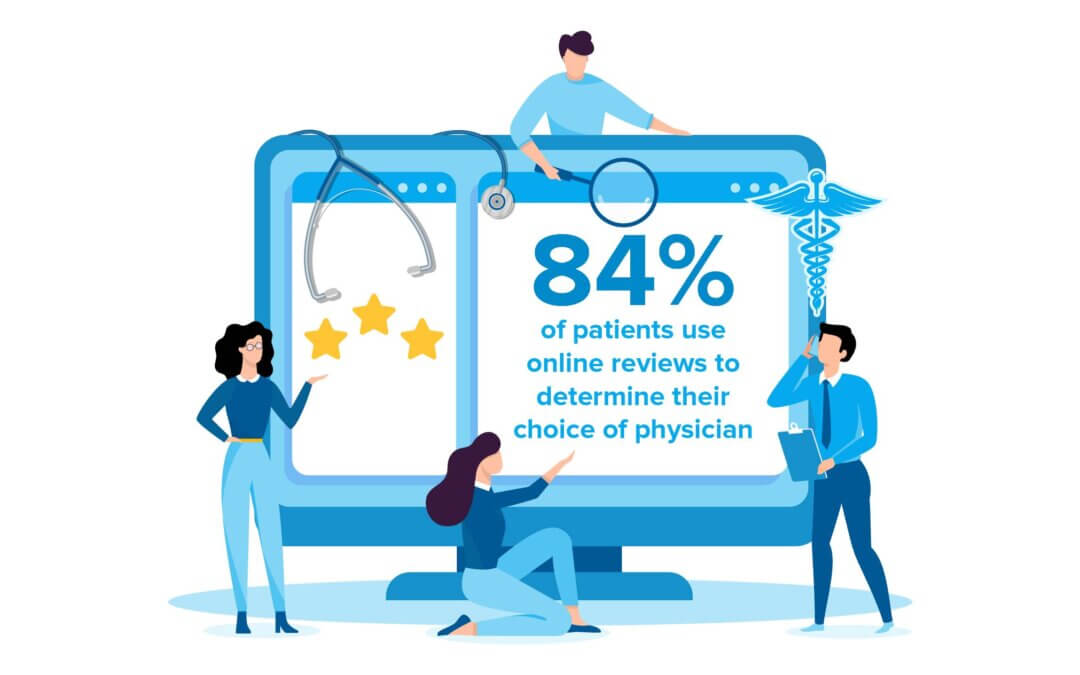
Today’s patients expect to find healthcare providers quickly and conveniently online. They rely on Google not just for information, but for recommendations they can trust. According to [PatientPop], 75% of people have looked online to find out about a doctor, dentist, or medical care, and 60% have chosen one provider over another based on a strong online presence.
2. Competition Is Increasing
More practices are investing in digital marketing, making local search results more competitive. If your competitors are showing up in the local 3-pack and you’re not, you’re likely losing patients to them—even if you offer superior care.
3. Local SEO Drives Real Results
Local SEO isn’t just about visibility; it’s about conversions. Google reports that 76% of people who search for something nearby visit a business within a day, and 28% of those searches result in a purchase or appointment. For healthcare, that means more new patient calls, appointment bookings, and long-term relationships.
Key Local SEO Strategies for Healthcare Practices

1. Claim and Optimize Your Google Business Profile
Your Google Business Profile (formerly Google My Business) is the cornerstone of local SEO. Make sure your profile is fully completed with your practice’s name, address, phone number, website, business hours, and a detailed description of your services. Upload high-quality photos of your office and staff, and keep information up-to-date.
2. Encourage and Respond to Patient Reviews
Online reviews are a major ranking factor for local search and a key trust signal for patients. Ask satisfied patients to leave positive reviews, and always respond—thanking patients for their feedback or addressing any concerns. According to [Podium], 93% of consumers say online reviews impact their decisions.
3. Use Localized Keywords on Your Website
Incorporate location-specific keywords naturally throughout your website. Instead of just “teeth whitening,” use “teeth whitening in [City, State].” Create service pages and blog posts that address local health concerns or events, and include your city, neighborhood, and nearby landmarks.
4. Build Location-Specific Landing Pages
If your practice has multiple locations, create dedicated landing pages for each one. Include the address, phone number, unique services, and testimonials for each location. This helps Google match your practice with hyper-local searches.
5. Ensure Consistency Across All Listings
Your practice’s name, address, and phone number (NAP) must be consistent everywhere—your website, Google Business Profile, directories, and social media. Inconsistencies can confuse both Google and potential patients, hurting your rankings and credibility.
6. Optimize for Mobile and Voice Search
With most local searches happening on mobile devices, your website needs to be fast, mobile-friendly, and easy to navigate. Increasingly, patients are using voice assistants to search for providers (“Hey Siri, find a dentist near me”), so optimize your content for conversational queries and FAQs.
The Risks of Ignoring Local SEO
Practices that neglect local SEO risk being invisible to patients searching for care in their area. As more competitors invest in digital marketing, falling behind in local search means missing out on new patient appointments and growth opportunities. In a world where convenience and trust are paramount, being hard to find online can be a dealbreaker for prospective patients.
Taking Action: How to Get Started
If you haven’t yet invested in local SEO, 2025 is the year to start. Begin by claiming your Google Business Profile, updating your website with local keywords, and asking your happiest patients for reviews. Monitor your local search rankings and adjust your strategy as needed.
For practices ready to take their digital presence to the next level, working with a healthcare marketing agency can provide a customized local SEO strategy, ongoing optimization, and measurable results.
Ready to grow your practice?
Explore Harris & Ward’s SEO for Healthcare Practices and Dental Website Design services to get expert help tailored to your needs.
Apr 11, 2025 | Dental Marketing
Local SEO for Dentists: A Complete Guide to Growing Your Practice
In today’s digital age, local SEO is no longer optional for dental practices—it’s essential. With more patients turning to search engines like Google to find dental services near them, optimizing your online presence for local searches can make the difference between a thriving practice and one that struggles to attract new patients. In this blog post, we’ll explore the key components of local SEO for dentists, share actionable strategies, and explain how Harris & Ward can help you dominate your local market.
What is Local SEO for Dentists?
Local SEO (Search Engine Optimization) refers to the process of optimizing your website and online presence to rank higher in local search results. For dentists, this means appearing in searches like “dentist near me” or “cosmetic dentist in [city].” Local SEO helps connect your practice with nearby patients actively searching for dental care.
Unlike general SEO, local SEO focuses on geographic-specific keywords, Google Business Profile optimization, and other strategies tailored to your community. This approach ensures that your practice is visible to potential patients in your area.
Why Local SEO Matters for Dentists
-
Increased Visibility: Most patients search for dental services within their locality. Ranking higher in local searches ensures your practice is visible when they’re ready to book an appointment.
-
Higher Credibility: Appearing on the first page of Google signals trustworthiness and professionalism.
-
Cost-Effective Marketing: Local SEO delivers long-term results without the recurring costs of paid ads.
-
Mobile Search Growth: With 40% of mobile searches being for local businesses, optimizing for mobile users is critical.
- Proven Results: Harris & Ward’s dental clients see a 4.1x average marketing ROI within 12 months of a fully optimized local SEO strategy. Practices ranking in the Local Pack top 3 receive 3x more new patient calls than practices ranked 4th or lower.
The Competitive Advantage
Dentistry is a highly competitive field, especially in urban areas where multiple practices vie for patient attention. Local SEO gives you an edge by ensuring your practice stands out in search results. For example, if someone searches “emergency dentist near me,” you want to be the first name they see—and trust.
Key Strategies for Local SEO Success
1. Optimize Your Google Business Profile
Your Google Business Profile (formerly Google My Business) is the cornerstone of local SEO. It’s what appears when someone searches for your practice name or related services in your area.
-
Claim and Verify Your Profile: Ensure all details—name, address, phone number (NAP)—are accurate.
-
Use Relevant Categories: Choose categories like “dentist,” “cosmetic dentist,” or “orthodontist.”
-
Add Photos: Include high-quality images of your office, staff, and services.
-
Encourage Reviews: Positive reviews boost credibility and improve rankings.
2. Build Location-Specific Content
Create content tailored to your community. Examples include blog posts about dental services in your city or FAQs addressing common concerns among local patients.
-
Use keywords like “family dentist in [city]” or “emergency dental care near [neighborhood].”
-
Highlight unique aspects of your practice that cater to your local audience.
-
Link internally to relevant service pages, such as Dental SEO and Dentists & Specialists.
3. Leverage Local Keywords
Keyword research is essential for targeting the right audience. Use tools like Google Keyword Planner or SEMrush to identify terms patients are searching for in your area.
Examples:
-
“Pediatric dentist in [city]”
-
“Affordable dental implants near me”
-
“Best cosmetic dentist in [location]”
Incorporate these keywords naturally into meta descriptions, headers, and body text on your website.
4. Build Citations and Backlinks
Citations are mentions of your business on other websites, such as directories (Yelp, Healthgrades). Backlinks from reputable sites also boost your authority.
-
Submit your practice to local directories.
-
Partner with community organizations or sponsor events to earn backlinks.
-
Outbound links to authoritative resources like Google Ads Local Services can also enhance credibility.
5. Encourage Patient Reviews
Online reviews are crucial for building trust and improving rankings.
-
Ask satisfied patients to leave reviews on platforms like Google and Yelp.
-
Respond promptly to reviews—both positive and negative—to show you value feedback.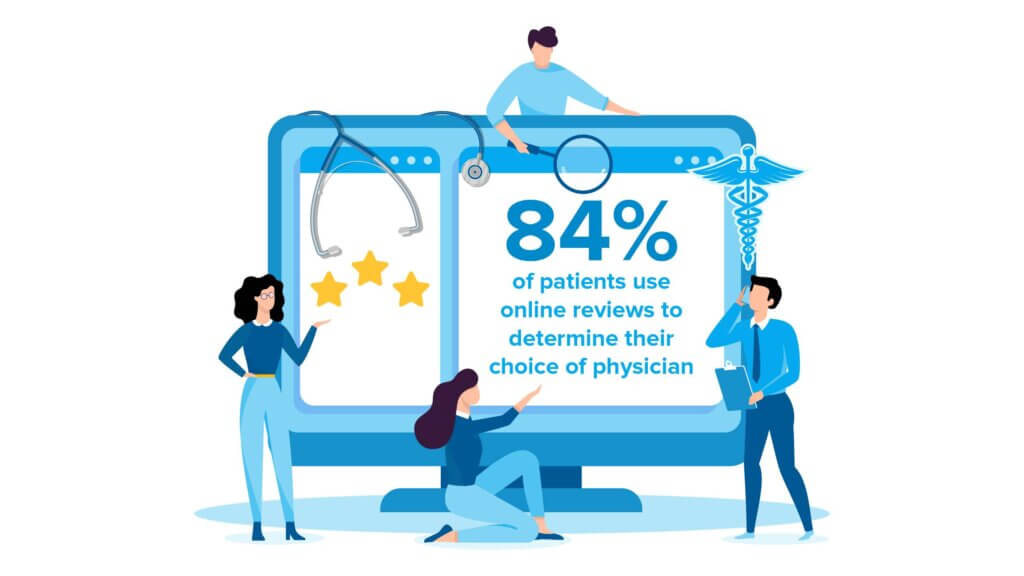
6. Focus on Mobile Optimization
With a significant portion of searches happening on mobile devices, ensure your website is mobile-friendly.
-
Test site speed and usability using tools like Google’s Mobile-Friendly Test.
-
Use responsive design so content adapts seamlessly across devices.
Advanced Tactics for Local SEO
If you’ve already implemented the basics above, consider these advanced strategies:
1. Create Service Area Pages
For practices serving multiple neighborhoods or cities, create dedicated pages optimized for each location. For example:
-
A page titled “Family Dentist in Downtown [City]” could target urban patients.
-
Another page titled “Emergency Dental Care in [Suburb]” could focus on nearby areas needing urgent services.
These pages should feature localized keywords and relevant information about services offered at each location.
2. Use Schema Markup
Schema markup is structured data added to your website’s code that helps search engines understand your content better. For dentists:
-
Add schema markup for business type (e.g., Dentist).
-
Include location-specific information such as address and phone number.
This can improve how search engines display your practice in rich snippets or maps results.
3. Run Local PPC Campaigns
While organic traffic is vital, combining it with paid advertising can amplify results. Google’s Local Services Ads allow dentists to appear at the very top of search results with a “Google Guaranteed” badge—a powerful trust signal for potential patients.
Common Mistakes Dentists Should Avoid
-
Ignoring NAP Consistency: Inconsistent name, address, and phone number details across platforms can hurt rankings.
-
Neglecting Reviews: Failing to engage with patient feedback can deter potential clients.
-
Overlooking Analytics: Regularly track performance using tools like Google Analytics to refine strategies.
-
Keyword Stuffing: Overloading pages with keywords can lead to penalties from search engines instead of improved rankings.
How Harris & Ward Can Help
At Harris & Ward, we’ve been building dental websites and managing dental SEO and AI search campaigns since 2011 — this isn’t a vertical we dabble in. Our expertise includes:
-
Comprehensive dental SEO campaigns designed specifically for local markets.
-
Custom website design optimized not just for aesthetics but also conversions—turning visitors into booked appointments.
-
Paid advertising strategies like Google Ads that complement organic efforts by driving immediate traffic.
Our proven methods have helped practices across the country achieve first-page rankings and attract more patients consistently over time. Visit our Dental SEO page to learn more about our services or explore how we support various Dentists & Specialists.
Frequently Asked Questions About Local SEO for Dentists
What is local SEO for dentists?
Local SEO is the process of optimizing your website and online listings so your practice ranks in local search results — think “dentist near me” or “cosmetic dentist in [city]” — instead of general national search results.
How long does local SEO take to work for a dental practice?
Most practices see meaningful Google Maps ranking improvements within 6–10 weeks of foundational work. Full organic SEO results typically build over 3–6 months and compound significantly over 12 months.
What does local SEO cost for a dental practice?
Local SEO and Google Business Profile management typically starts around $850/month. Full-service programs — including content strategy, AI search optimization, and paid ads — run $2,500+/month depending on market and competition.
What’s the difference between local SEO and AI search (GEO) for dentists?
Local SEO ranks your website in Google’s organic results and Maps. AI search optimization (GEO) makes your practice the answer ChatGPT, Google AI Overviews, and voice assistants give when a patient asks a conversational question. In 2026, you need both, built together.
Final Thoughts
Local SEO is a game-changer for dentists looking to grow their practices in a competitive market. By implementing strategies like optimizing your Google Business Profile, building location-specific content, leveraging patient reviews, and focusing on mobile optimization, you can enhance visibility and attract more patients.
Remember that success doesn’t happen overnight—it requires consistent effort and expertise in navigating ever-changing algorithms and trends. That’s where Harris & Ward comes in! Whether you’re struggling with rankings or simply want to take your practice’s digital presence up a notch, we’re here to help every step of the way.
Ready to take control of your online visibility? Contact Harris & Ward today for a consultation! Let us help you dominate local searches so you can focus on what matters most—providing exceptional care to your patients!